Unlocking Excellence in Medical Diagnostics: The Role of MRI Service Engineers and Leading Medical Centers
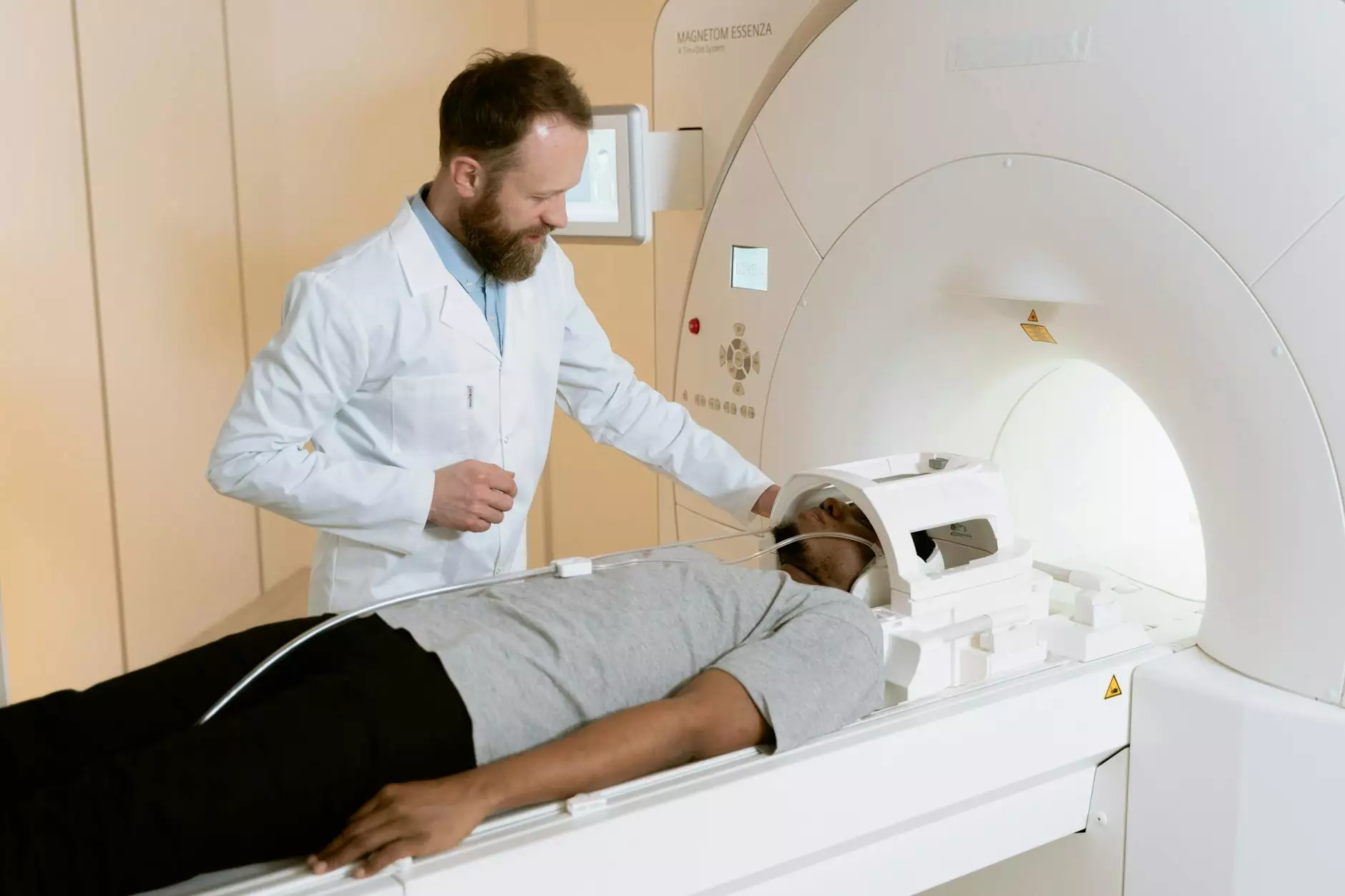
In the rapidly advancing field of healthcare, medical centers specializing in Health & Medical, Medical Centers, and Diagnostic Services continue to innovate to provide the highest quality patient care. Central to this progress is the deployment of sophisticated imaging technologies like Magnetic Resonance Imaging (MRI). Ensuring these complex systems operate flawlessly requires highly skilled professionals known as MRI service engineers. This comprehensive guide explores the vital roles they play, the importance of advanced diagnostic services, and how top-tier medical centers leverage these elements to improve healthcare outcomes.
Understanding the Importance of Magnetic Resonance Imaging (MRI) in Healthcare
Magnetic Resonance Imaging (MRI) has revolutionized diagnostic medicine by offering detailed, non-invasive imaging of internal body structures. Unlike X-rays or CT scans, MRI utilizes strong magnetic fields and radio waves to produce high-resolution images of soft tissues, organs, and the musculoskeletal system. This technology is indispensable in diagnosing numerous conditions, including neurological disorders, cancers, vascular diseases, and joint injuries.
Key benefits of MRI include:
- High-resolution imaging of soft tissues
- No exposure to ionizing radiation
- Enhanced detection of early-stage diseases
- Real-time functional imaging capabilities
- Versatility in different diagnostic applications
As demand for precise and reliable diagnostics escalates, so does the need for well-maintained MRI systems—emphasizing the crucial role of MRI service engineers.
The Critical Role of MRI Service Engineers in Maintaining Uninterrupted Diagnostic Operations
In any modern Medical Center or Diagnostic Services facility, the MRI service engineer is a cornerstone of operational excellence. These highly trained specialists are responsible for the installation, maintenance, troubleshooting, and repair of MRI equipment, ensuring systems function at peak performance.
Without their expertise, even the most advanced MRI scanners could fall into non-compliance, experience frequent downtimes, or produce inaccurate results—undermining patient trust and delaying vital diagnoses.
Core Responsibilities of an MRI Service Engineer
- Preventive Maintenance: Routine inspections and calibrations to preempt potential issues.
- Troubleshooting and Repairs: Diagnosing hardware and software faults swiftly to minimize downtime.
- System Upgrades and Installations: Implementing latest technological advancements, ensuring compatibility, and optimizing performance.
- Ensuring Safety Compliance: Verifying that equipment meets all safety standards to protect patients and staff.
- Training and Support: Educating radiology staff on system operation and safety protocols.
Advanced Diagnostic Services Offered by Leading Medical Centers
Modern Health & Medical institutions recognize that investing in state-of-the-art MRI technology and skilled service personnel directly correlates with enhanced patient outcomes. Top medical centers offer comprehensive diagnostic services that include:
- Structural MRI: For detailed anatomical imaging of the brain, spine, joints, and soft tissues.
- Functional MRI (fMRI): To observe active brain regions, crucial in neurological and psychiatric assessments.
- MRA (Magnetic Resonance Angiography): For non-invasive imaging of blood vessels.
- Musculoskeletal MRI: Dedicated to diagnosing joint injuries, ligament tears, and soft tissue abnormalities.
- Cardiac MRI: Providing detailed cardiac structure and function analysis.
Medical centers committed to excellence employ integrated service models that guarantee optimal functioning of MRI systems through ongoing preventive maintenance and rapid repair services provided by expert MRI service engineers. This commitment ensures minimal disruptions, enhances image quality, and maintains compliance with health regulations.
Why Expertise in MRI Service Engineering Matters
The role of the mri service engineer extends beyond simple repairs. Their expertise encompasses a deep understanding of complex machine architectures, cutting-edge software updates, and safety protocols. As MRI technologies evolve rapidly—incorporating AI, advanced imaging sequences, and digital connectivity—so must the skill set of these professionals.
Here are some reasons why specialist knowledge is indispensable:
- Ensuring Diagnostic Accuracy: Precision calibration prevents artifacts and inaccuracies in images.
- Operational Reliability: Regular maintenance reduces unexpected failures, conserving hospital resources.
- Patient Safety: Properly functioning MRI systems reduce risks associated with magnetic fields or device malfunctions.
- Regulatory Compliance: Certified engineers ensure systems meet all health and safety standards mandated by governing bodies.
- Technological Adaptation: Keeping pace with innovations like 3D imaging, contrast enhancements, and AI integration.
Choosing the Right Medical Center for High-Quality Diagnostic Services
Patients and healthcare providers alike seek medical centers that embody excellence in diagnostic capabilities. When selecting such a center, consider the following factors:
- State-of-the-Art Equipment: Availability of the latest MRI technologies for comprehensive diagnostics.
- Experienced Medical Staff: Highly trained radiologists and technicians adept in operating advanced systems.
- Dedicated Technical Support: Rapid-response MRI service engineers who ensure continuous operation.
- Accreditation and Standards: Compliance with international standards such as ISO certification and local health authority approvals.
- Patient-Centric Approach: Comfortable facilities and clear communication about procedures and safety.
Future Trends in MRI Technology and Diagnostic Services
The future of MRI in healthcare is poised for remarkable advancements that will further improve diagnostic precision and patient experience. Innovations include:
- Artificial Intelligence (AI): Enhancing image reconstruction, anomaly detection, and automated reporting.
- Open MRI Systems: Reducing claustrophobia and improving accessibility for diverse patient populations.
- High-Field MRI Scanners: 7 Tesla and above for unparalleled resolution capabilities.
- Portable MRI Devices: Expanding access in remote or underserved locations.
- Integration with Electronic Health Records (EHR): Facilitating seamless data sharing and comprehensive patient monitoring.
Realizing these advancements hinges significantly on skilled MRI service engineers who maintain the integrity of cutting-edge systems and implement updates efficiently.
Conclusion: Investing in Expert Service for Superior Diagnostic Outcomes
In the fast-evolving landscape of healthcare, the synergy between advanced medical technology and expert technical support defines the quality of diagnostic services. MRI service engineers form the backbone of this ecosystem, ensuring that MRI systems deliver precise, reliable, and safe imaging outcomes consistently.
Leading medical centers that invest in continual staff training, proactive maintenance, and technological upgrades demonstrate a commitment to excellence that directly benefits patients through faster diagnoses, improved treatment planning, and enhanced overall healthcare quality.
Healthcare providers and administrators should recognize the importance of fostering strong partnerships with qualified MRI service engineers and prioritize selecting facilities equipped with the latest diagnostic technologies and expert support teams.
As the future of medical diagnostics continues to evolve, integrating the expertise of skilled professionals with innovative MRI technologies will remain essential in delivering superior healthcare services worldwide.